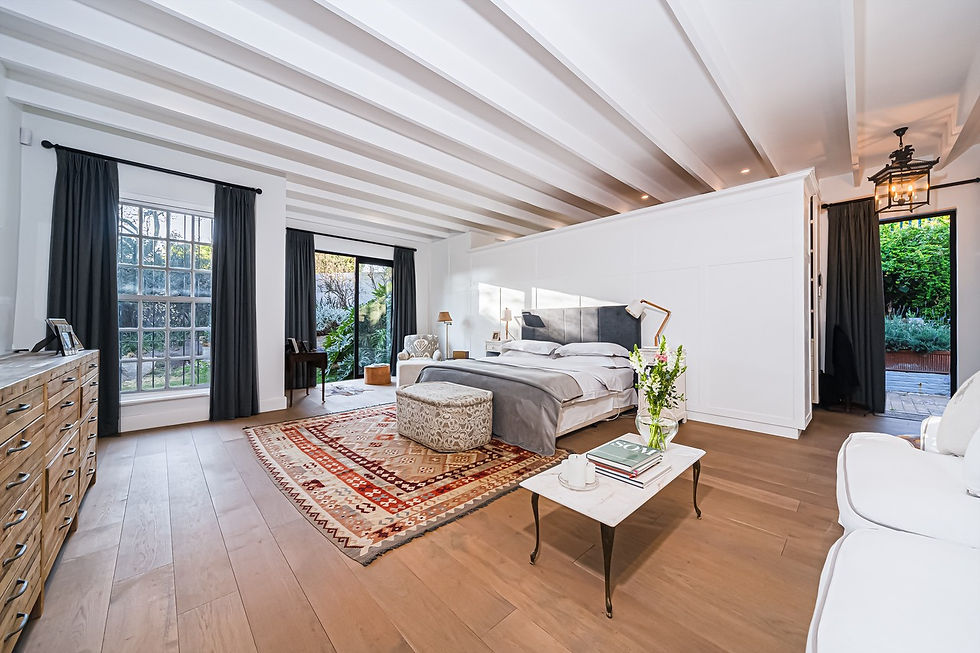
The Art of Layering Textures in Interior Design
There’s a reason some rooms feel instantly alive the moment you walk into them, and it rarely comes down to a single dramatic piece or a bold colour choice. More often than not, it’s texture.
Layering textures in interior design is one of the most powerful tools in luxury interiors, and yet it’s also one of the most misunderstood. Done well, it adds depth, tactility, and a sense of richness that no paint colour alone can achieve. Here’s how to approach it with intention.

Why Texture Matters More Than You Think
We experience interiors with our whole bodies, not just our eyes. Texture engages our sense of touch: even when we’re not physically reaching out to feel a surface, our brains are registering it visually and responding emotionally.
A room furnished entirely in smooth, glossy finishes can feel cold or clinical, however beautiful the pieces individually. Conversely, a space that’s all soft and matte can start to feel flat or heavy. The magic lies in contrast, and in knowing which materials to pair together.
The Core Materials Worth Working With
When it comes to layering textures in interior design, certain materials form the foundation of a well-composed scheme:
Linen and natural fibres: These bring warmth and softness without visual weight. Linen upholstery, jute rugs, or woven cotton throws introduce an organic quality that grounds a scheme beautifully.
Stone: Whether it’s a honed marble countertop or a travertine side table, natural stone introduces cool, weighty substance that balances softer elements.
Timber: Few materials offer the same warmth and character as wood. From pale oaks to rich walnuts, timber introduces grain, colour variation, and a sense of the natural world.
Metal: Used selectively, metal adds precision and polish. Brass, bronze, and blackened steel work particularly well in luxury interiors, catching the light and defining edges without feeling overpowering.
The Principles of Layering Texture in Interior Design Well
Understanding which materials to use is only half the picture. How you layer them is what separates a thoughtfully designed interior from one that simply has nice things in it.
Start with the largest surfaces first
Your floors, walls, and major upholstery pieces set the textural tone of a room. If your flooring is smooth and pale (a polished concrete or a fine-grain timber) you have room to introduce more tactile richness elsewhere. If your walls have a heavily textured finish, keep larger pieces cleaner and more restrained.
Work in threes
A useful rule of thumb is to aim for at least three distinct texture families in any one room. Too few and a space feels one-dimensional; too many without a clear hierarchy and it becomes visually noisy.
Consider sheen as part of the texture conversation
Matte surfaces absorb light; glossy ones reflect it. Mixing both (a matte wall behind a lacquered cabinet) creates the kind of visual depth that draws the eye around a room and keeps it interesting.
Don’t neglect the ceiling or the floor
These two planes account for a significant portion of your room’s surface area. A textured plaster ceiling, a woven rug over smooth stone floors, or even the subtle grain of a timber floor: all contribute to the layered quality of the overall space.
A Note on Restraint
One of the hallmarks of truly refined interiors is knowing when to stop. The goal of layering textures in interior design isn’t to introduce as many materials as possible. It’s to create a composition that feels rich and considered without tipping into visual chaos.
In luxury interior design, restraint is a form of confidence. Choosing three or four textures and working them throughout a scheme in a deliberate way will always feel more elegant than a room that tries to incorporate everything at once.
Think of it like dressing well: the most stylish outfits are rarely the most complicated. It’s the quality of the pieces, and the way they work together, that creates the impression.
Bringing It Together
Layering textures in interior design is ultimately about creating spaces that reward both the eye and the senses: rooms that look beautiful in a photograph but feel even better in person. It’s one of the things that distinguishes a truly designed interior from one that’s simply been furnished.
If you’re drawn to this approach and would like to see how it’s been applied in our projects, we’d love to show you.
View our gallery to explore how texture, material, and light work together in SWD’s interiors.